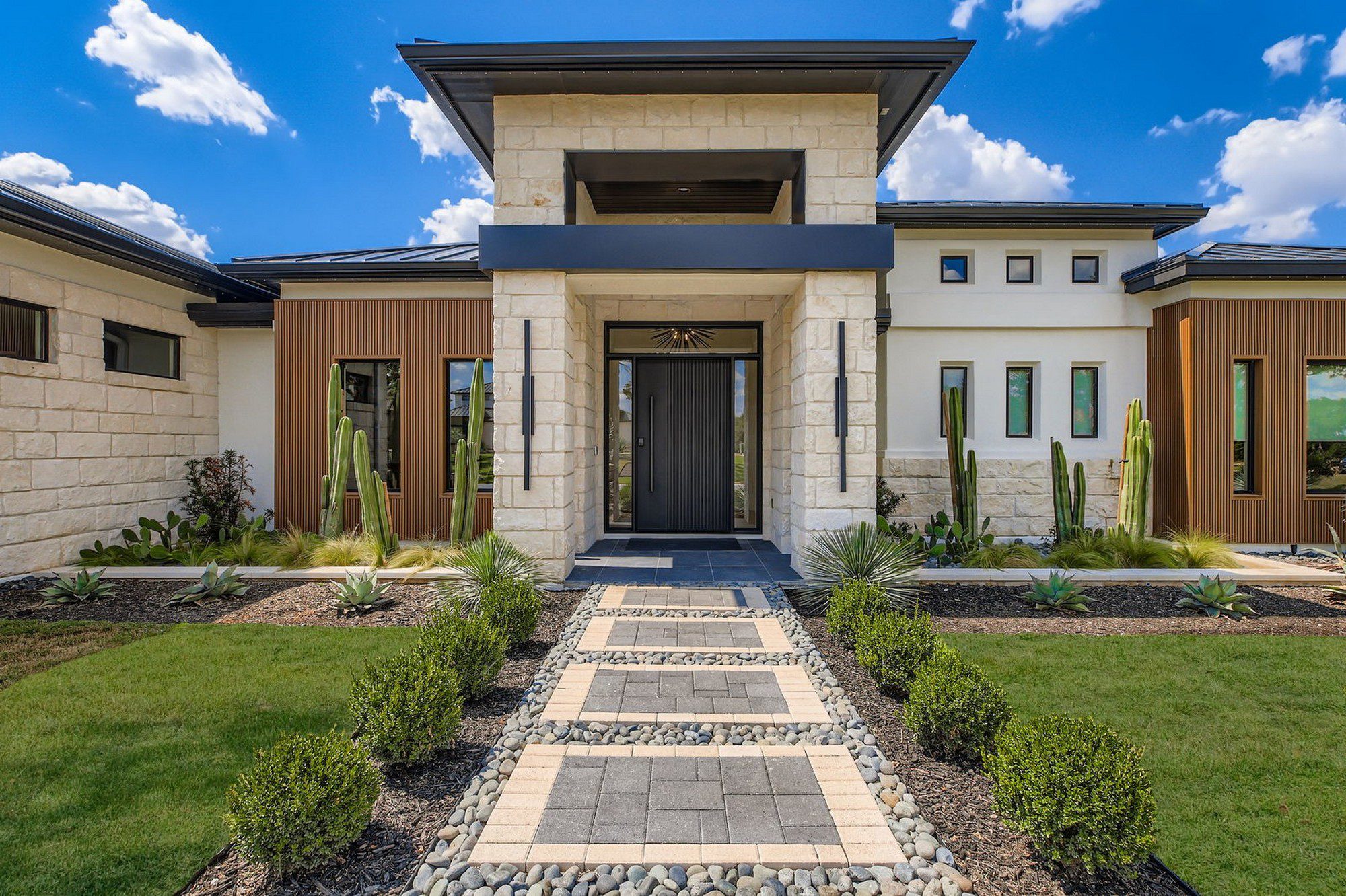
Starting With the Right Vision
A dream home often begins with an empty piece of land and a question: what could this space become? Building a house on selected property can turn that question into a meaningful project, but it requires planning, budgeting, and guidance. For many homeowners, the ability to build on your lot with McNair Custom Homes offers a way to create a residence around the land already chosen. This article explores the planning process, practical considerations, and advantages involved in developing a custom home while keeping personal needs and value in focus.
Understanding the Building Site
Choosing a homesite is an important decision in a custom building project because the land influences design, access, drainage, utilities, and costs. When homeowners build on your lot with McNair Custom Homes the property becomes part of the design conversation from the beginning. A thoughtful evaluation can reveal useful opportunities for natural light, outdoor living, privacy, and efficient placement of the house. It can also identify challenges that may affect construction. Understanding the site early allows planning decisions to become more practical and reduces surprises as the project moves forward.
Designing Around Everyday Life
A custom home is more than a collection of rooms arranged under one roof. It should reflect how the household lives, from morning routines and work requirements to entertaining, storage, and quiet areas. Floor plans can be adjusted to create better movement, useful sizes, and connections between indoor and outdoor areas. Design choices also influence comfort, so factors such as natural lighting, energy efficiency, maintenance, and accessibility deserve attention. Starting with everyday habits rather than trends can produce a home that feels relevant for years instead of becoming outdated quickly.
Creating a Realistic Construction Budget
Budgeting deserves careful attention because custom construction involves expenses beyond the basic cost of the house. Land preparation, permits, utility connections, materials, labor, landscaping, and finishes can affect the final investment. Before making commitments, homeowners should understand which costs are included and which may require separate allowances. To Contact McNair Custom Homes at the appropriate stage can help create a clearer discussion about project expectations and priorities. A budget should also include room for unexpected site conditions, design adjustments, and changes that can occur during building for the project.
Keeping Communication Clear
Communication becomes important once the design and construction process begins. Homeowners need clear information about schedules, selections, approvals, costs, and possible changes so decisions can be made without confusion. To Contact McNair Custom Homes can provide an opportunity to discuss questions before they become larger concerns during the project. Regular communication also encourages coordination between design decisions and construction requirements. When expectations are documented and conversations remain straightforward, the building experience can become easier to manage. This approach supports informed choices while keeping the project focused on the intended result.
Selecting Suitable Materials
Material selection can shape both the appearance and performance of a custom residence. Exterior finishes, roofing, windows, flooring, cabinetry, fixtures, and appliances should be considered as parts of a larger design rather than isolated purchases. Quality, durability, maintenance requirements, and compatibility with the environment all matter. Choosing materials based solely on appearance may create future challenges, while focusing only on price can limit satisfaction. A balanced approach considers the initial investment alongside expected performance. Thoughtful selections can help create a home that looks distinctive while remaining practical for everyday living.
Managing the Construction Process
The construction stage turns plans into a physical home, making organization important. Site preparation must be handled before foundations and structural work can progress, while inspections and approvals may occur at different stages. Weather, material availability, and unforeseen site conditions can influence schedules, so flexibility is useful with careful planning. Homeowners can help by responding to decisions promptly and keeping project priorities clear. Patience also matters because quality construction requires time. A well coordinated process can support better workmanship and reduce avoidable delays as the home develops through each stage.
Turning Land Into a Home
Building a custom residence on selected land can be an exciting opportunity to create something connected to personal goals and the property. Careful site evaluation, thoughtful design, realistic budgeting, clear communication, and durable material choices all contribute to a stronger project. The process may require many decisions, but each can improve the home's usefulness and long term appeal. For homeowners considering this path, Mcnaircustomhomes.com can serve as a starting point for learning about custom home building possibilities. Good preparation can turn an undeveloped lot into a comfortable place to live.